
How to Play Pyramid
You already know the headline: make thirteen. What this page is really about is which cards you may touch, how the waste and stock interact, and why a legal pair is not always the pair you should play.
Four rules, read as decisions
Pyramid uses one 52-card deck. Twenty-eight cards form seven overlapping rows; the remaining 24 begin in stock. Suit and color never affect a legal match, but physical coverage does: both cards below a covered card must leave before it becomes available.
Only uncovered pyramid cards count
A card in the triangle is playable when nothing sits on top of it. The waste top is always in play too. Everything still buried waits on the clears above it.
Two exposed cards can sum to thirteen
Pick any two available cards whose ranks add to thirteen. Ace counts as one through Queen as twelve. The waste top can pair with one pyramid card.
Kings clear alone
A King equals thirteen by itself. Tap an exposed King to remove it without a partner. Timing still matters when it is covering something useful.
Three passes through the stock
Draw one card at a time from stock to waste. When stock is empty, you may recycle the waste back into stock up to two times if cards remain, for three full passes.
Four mistakes that look legal
A legal move answers only whether cards may leave now. A useful move also considers what becomes exposed, which complementary ranks remain, and how many stock passes are left. The examples below show why those are separate questions.
What should I scan first?
Look for the pair that uncovers the next lower row, then whether the waste top finishes something better. Surface clears are easy to spot and easy to overpay for.
When is another draw justified?
When the waste top is stuck and the next cards might bring back a rank you still need. If the pyramid still has lower-row work, drawing on autopilot usually taxes the hand.
Why does the board still lose while looking busy?
Because move order controls access. You can remove several surface pairs while lower rows stay covered, use a waste card needed by a later rank, or spend a stock pass before its target card is reachable.
When is early Undo normal?
Right after you spent the waste top cheaply, drew without a target, or cleared a King that was still guarding a better line. Many deals die before they look hopeless.
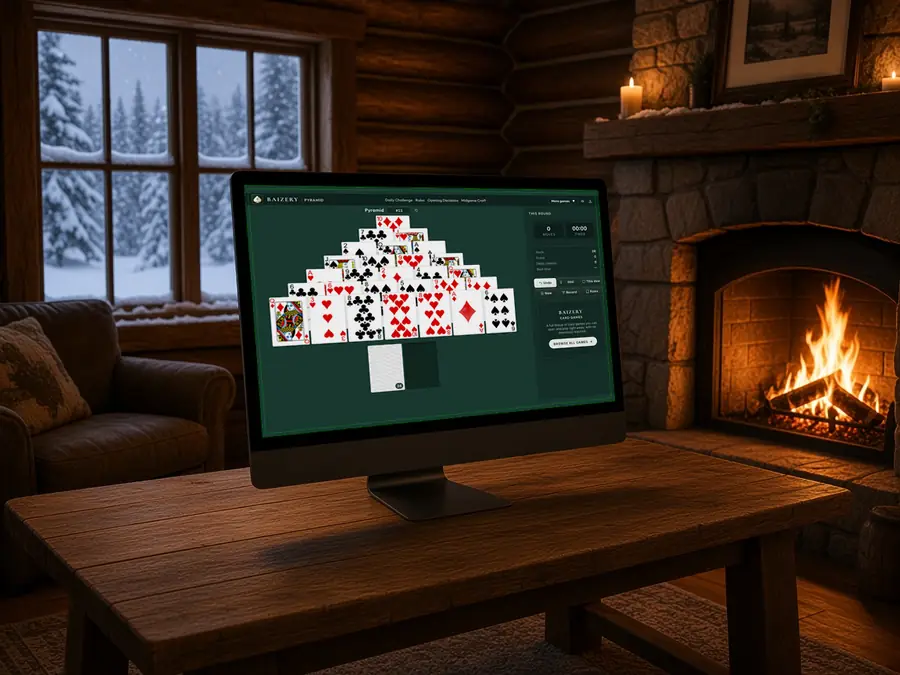
Unblock before you decorate
A removal that reveals the row below is usually worth more than one that only neatens the face you can already see.

Use the waste top only when it helps
Treat it as part of the order, not a bonus card. Spend it when it opens the triangle, closes a key pair, or saves a pass—not when it merely cashes an easy match.

Kings are allowed, not automatic
You may clear a King any time it is exposed. The better question is who it covers and whether removing it changes the next read.
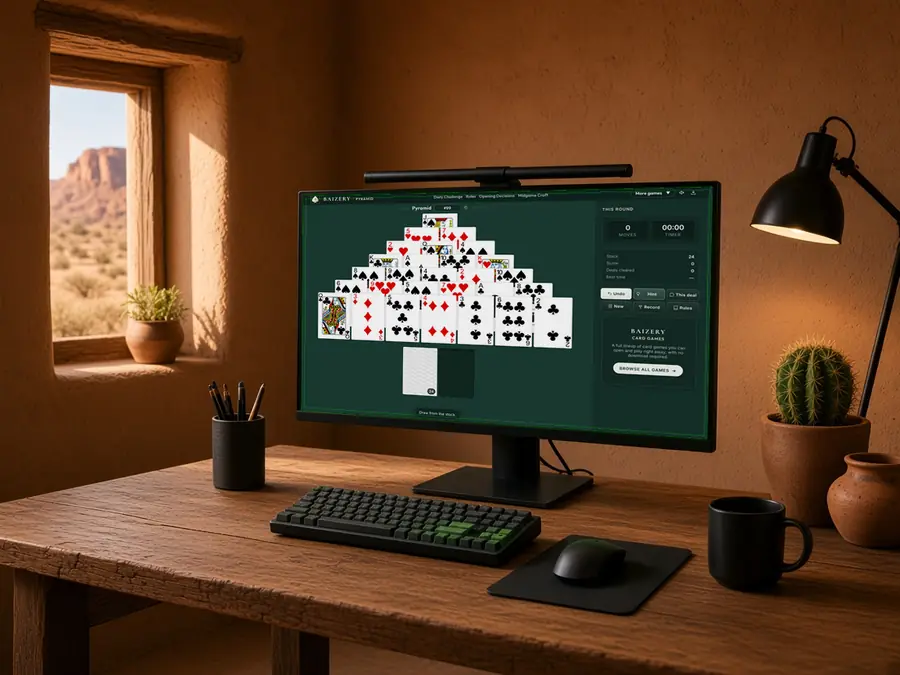
Passes are inventory, not lives
Two recycles means three runs through the deck. Strong hands draw less on hope and more because they know which pass can still buy a real pair.
Six questions before you tap
Run this list before removing a pair or drawing from stock. It is especially useful on pass two, when a missed rank can still return once, and on pass three, when every skipped card is gone for the deal.
Opens Lower RowDoes this move uncover a card that was buried?
Waste Worth ItIf you spend the waste top now, are you buying more than convenience?
King With PurposeWill this King clear reveal something that matters?
Pass AccountingWhich pass is this, and what card are you trying to see?
Draw With a TargetCan you name the rank you still need before you draw again?
Undo Still AvailableIf the read is wrong, can you back up before the key card sinks deeper?
Pyramid Rules FAQ
These answers describe the exact rules used on this table, including waste recycling, numbered deals, local Hint behavior, and the win condition. Other Pyramid variants may use one pass or different scoring.
What actually wins the deal?
Remove every card from the triangle by pairing to thirteen or clearing Kings. Stock and waste can still hold cards when you win.
How many times can I recycle?
Up to two recycles while waste still has cards, for three total passes through the deck.
Can two pyramid cards pair together?
Yes, when both are exposed and sum to thirteen. One pyramid card may also pair with the waste top.
Should I always tap a King immediately?
Only when it opens access underneath or removes a blocker on a better pair. Legal is not the same as timely.
What habit shrinks the hand fastest?
Burning passes without a plan, or pairing the waste top onto the first easy match while the lower rows never open.
Why reopen by deal number?
The same number always deals the same layout, so you can test whether a pair, King, or pass was spent too early.
Read this, then play one hand
Two habits to keep
Before each removal, ask if it opens the lower row. Before each pass, ask what you expect the next waste top to buy. Those two habits rescue a lot of playable deals.
Where to go next
Skim the opening guide, then the midgame guide, and play a hand on the home table with the same questions. Thirteen is the entry rule; sequence is the game.