
Pyramid Opening Decisions
The opening feels generous because almost every card looks playable. The expensive mistake is not moving slowly—it is clearing easy pairs while the lower rows stay buried and the first pass buys nothing.
Four opening priorities
The opening lasts until the first lower rows begin to release useful cards or stock becomes the main source of matches. Map all exposed pairs before drawing: the same two surface cards can control access to several different cards underneath.
Name the pair that opens the row
Start with the removal that exposes the next covered card, not the one that merely shrinks the top.
Price the waste top
A playable waste card is not always a good spend. Use it when it opens depth, saves a pass, or finishes a key pair.
Kings answer who they cover
A King can leave whenever it is exposed. The question is whether it is hiding something you need this turn.
Name the target before drawing
Before you draw again, identify the rank you need and the exposed card it will pair with. If you cannot name both, inspect the pyramid again first.
Opening questions players skip
Opening errors compound because a needed partner may be spent before its covered card appears. Compare candidate moves by the rank they reveal, the second blocker they remove, and whether they force an early stock pass.
Should I draw right away?
Usually after you have named a lower-row pair. Burning pass one with no target is the classic opening leak.
Is the easy pair the right pair?
Only if it uncovers depth, frees a better match, or protects a waste card you cannot afford to lose.
Do I tap the King now?
When it reveals a valuable card or stops blocking a stronger line. If the board hardly changes, waiting is fine.
What if pass one feels stuck?
Rescan for lower-row work before you dig deeper. Undo if you just cashed the waste on a shallow pair.
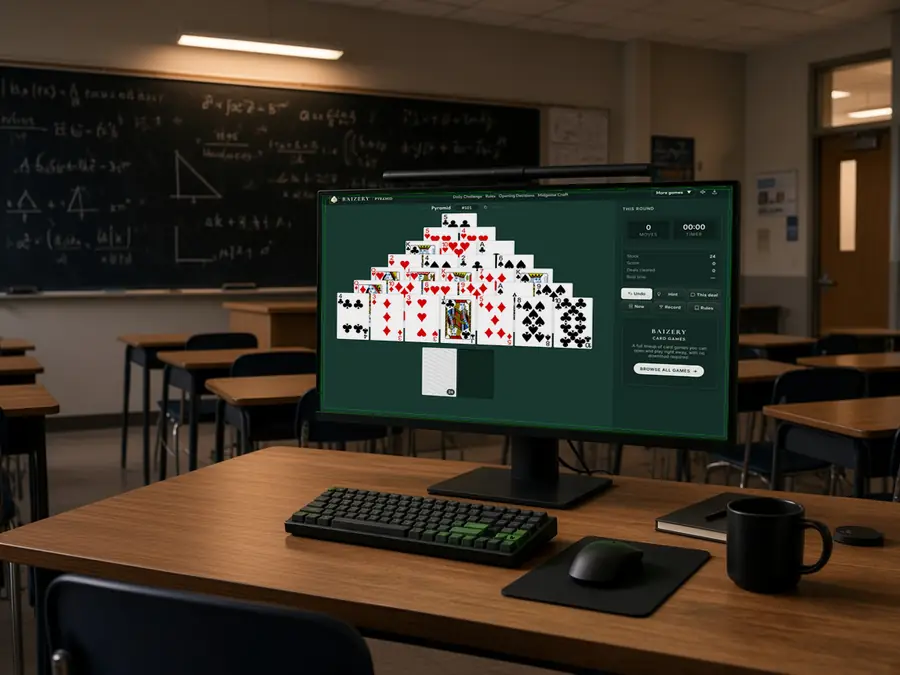
Depth beats neatness
One reveal on the lower row often beats two clears that only polish the surface.
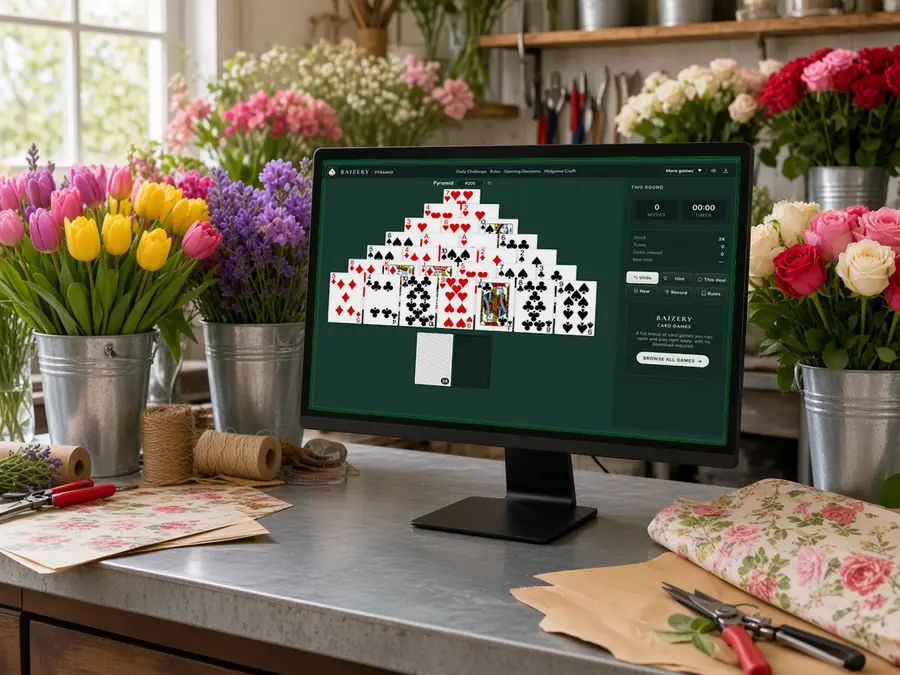
Kings are cover stories
Before you clear a King, read what it was guarding. A free King that changes nothing is still a choice.

Slow first pass
The earliest waste tops set the rhythm. Once a helpful rank sinks, the whole hand starts paying late fees.
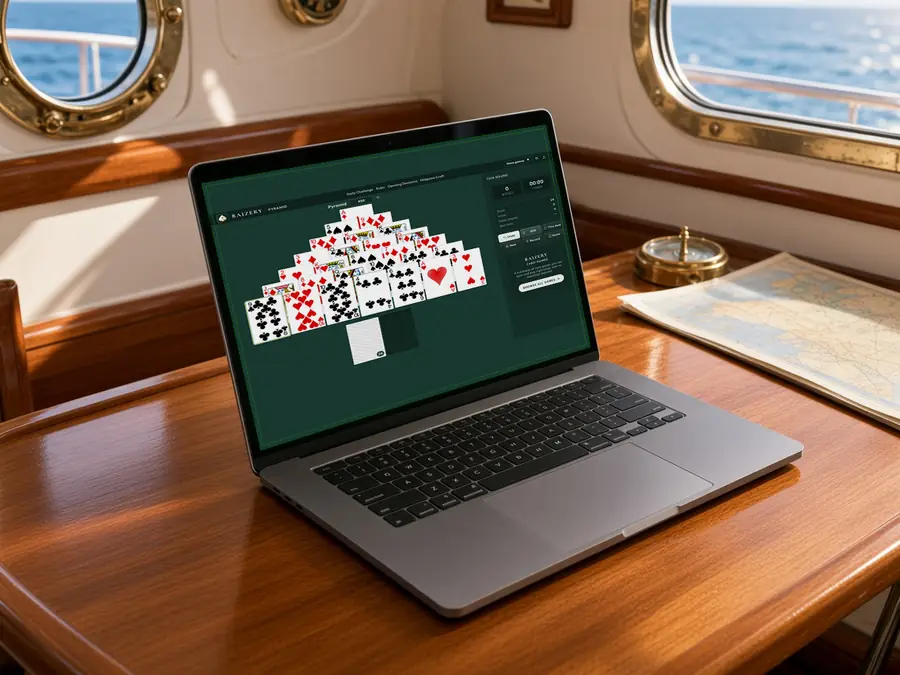
Replay the first minute
Deal replay is for testing whether the first waste spend and first pass were cheap—not for counting surface pairs.
Opening checklist
Use the checklist on the initial layout and again after every new card becomes exposed. The best opening is not necessarily the one with the most immediate removals; it is the one that leaves the most compatible ranks available.
Lower Row FirstDoes this move expose the next covered card?
Waste CheckIf you spend the waste now, are you buying depth?
King Covers WhoWhat appears if this King leaves?
Pass One PlanCan you name the rank you want before drawing?
Next Read ClearerAfter this move, is the following decision easier?
Undo WindowIf the read fails, can you still reverse cheaply?
Opening FAQ
The answers focus on decisions made before the second stock pass. They explain why an exposed King may wait, when the waste top is worth using, and when Undo can prevent an early sequence error from reaching the endgame.
What do I look at first?
The pair that opens the lower row, then whether the waste top completes something better, then which King still blocks value.
Must every legal pair go now?
No. Value is about opening the triangle, not about convenience.
Is Undo in the opening a bad sign?
Often it is correct. One shallow waste spend can tax the entire deal.
Why can clearing a King still be wrong?
Because the King is a door, not a point. If nothing useful appears, the timing was off.
What is the costliest opening error?
Spending the first good waste top on a shallow pair, then drawing until the rank you needed is gone.
Open one hand with intent
Carry one sentence in
In the opening, prefer the pair that opens the lower row over the pair that merely feels fast.
When the board deepens
Once the lower rows start moving, switch to the midgame guide. The questions change when passes get expensive.